
Move Out Cleaning: Why It’s Essential for Tenants and Landlords
Move out cleaning is important in nearly every rental, helping tenants recover their security deposit and landlords prepare the property for new occupants.
Tenants are generally responsible for routine and regular cleaning, such as scrubbing kitchens, bathrooms, floors, and surfaces, while landlords take care of deeper cleaning, repairs, and maintenance beyond normal wear and tear.
Clear lease terms, open communication, and hiring professional cleaners are the most effective ways to avoid disputes and ensure both parties part on good terms.
Moving out cleaning can feel overwhelming. Between packing, coordinating logistics, and organizing, cleaning often becomes confusing and stressful. Who should mop the floors? Is deep cleaning required? These questions can create tension between landlords and tenants.
Whether you’re a tenant moving out or a landlord managing turnover, knowing the rules saves time, money, and frustration. Let’s break down the cleaning responsibilities that matter most when ending a tenancy.

Do You Really Need Move Out Cleaning?
Yes. Move out cleaning is necessary in almost every rental routine. A clean property benefits everyone:
- Tenants want their deposit returned.
- Landlords need the unit ready for the next renter.
- The goal is to keep the property to its original condition. This doesn’t necessarily require professional deep cleaning; it mostly involves removing your belongings, cleaning surfaces, and addressing any mess created during your stay.
Tenant Responsibilities When Moving Out
Tenants have specific obligations outlined in most lease agreements. Knowing them can prevent headaches and deposit deductions.
A. Routine Cleaning Tasks
Standard move out and move-in cleaning involves a thorough clean of the entire home, returning it to the condition it was in when the tenant moved in excluding normal wear and tear.
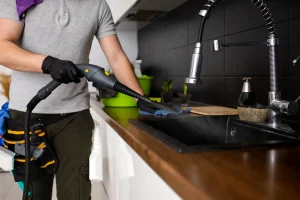
- Kitchen: Clean appliances inside and out, including oven, microwave, and fridge. Wipe counters, cabinets, sinks, and floors.
- Bathrooms: Disinfect toilets, sinks, and showers. Scrub tubs and tiles. Clean mirrors and wipe cabinets.
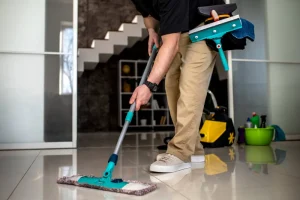
- Living Areas & Bedrooms: Vacuum carpets, sweep and mop hard floors, clean baseboards, doors, and window sills, and remove cobwebs.
B. Lease Agreements and Deposit Considerations
Your lease is the key document defining your cleaning duties and the conditions for deposit return. Some leases specify what “clean” means, while others may suggest professional cleaning.
C. Consequences of Failing to Clean
Not cleaning adequately can lead to losing part or all of your security deposit. Landlords can use the deposit to cover cleaning costs, which often exceed what you would spend yourself.
Studies show that cleaning is one of the leading reasons for deposit deductions in rental housing.
Landlord Responsibilities in Move Out Cleaning
Landlords also have their own set of responsibilities. It’s a two-way street. A professional landlord provides a clean and safe environment from the start.
A. Ensuring a Clean Unit at Move-In
Landlords must present a clean unit at move-in. Move-in inspection forms help document the condition, protecting both parties during move-out.
B. Deep Cleaning and Repairs Beyond Normal Wear
Landlords handle deeper cleaning and repair tasks that are not the tenant’s responsibility:
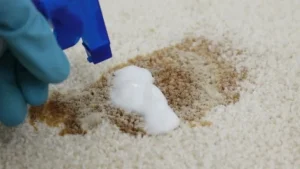
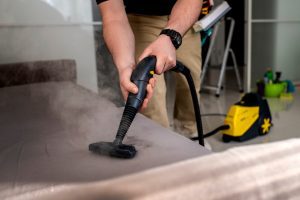
- Carpet Cleaning: Deep steam cleaning or removing old stains.
- Repairs: Fix leaks, broken appliances, repaint walls, and repair damage beyond normal use.
- Pest Control: Addressing infestations for health and safety.
C. Complying With Local Regulations
Landlord-tenant laws differ across provinces. For example, in Ontario, landlords cannot legally require tenants to hire professional cleaners, but they can insist the unit is left clean.
Who Handles Move Out Cleaning?
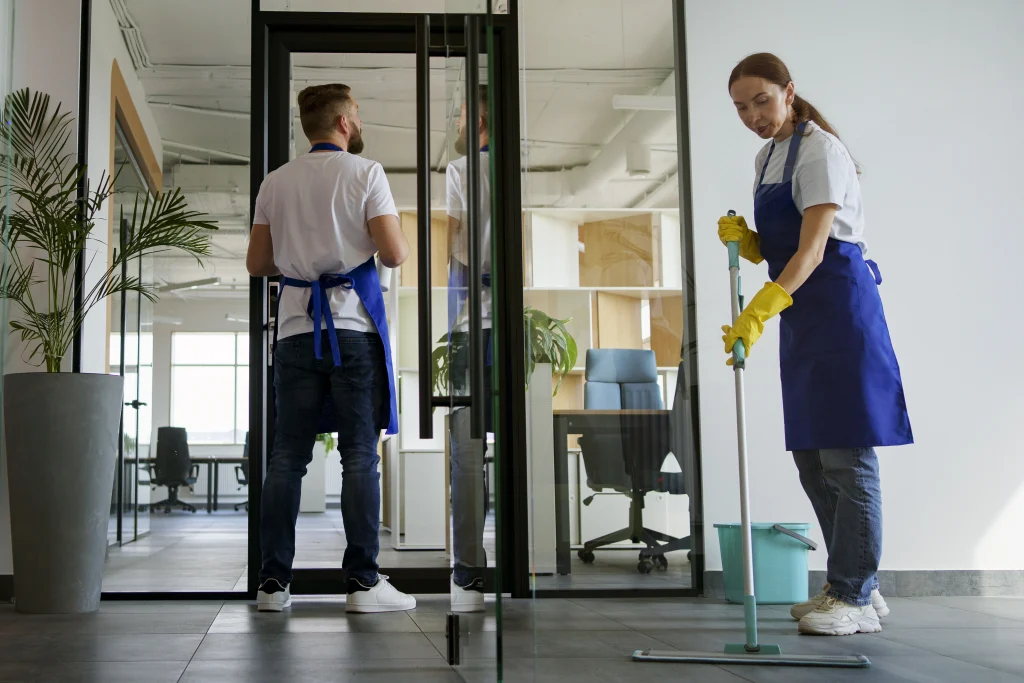
Both tenants and landlords share responsibility:
- Tenants take care of general cleaning.
- Landlords handle deeper maintenance, repairs, and some professional services.
What’s The Best Solution to Avoid Arguments on Who’s Responsible for Move In Cleaning?
Clear communication and documentation prevent disputes. Tenants should carefully review leases, and landlords should clearly define expectations.
Hiring a professional cleaning service is often the simplest solution. It ensures the property is spotless, reduces stress, and makes move-out smooth for both parties.
Frequently Asked Questions
What Are the Consequences of Leaving the Property Dirty?
Landlords can use the security deposit to cover cleaning. If costs exceed the deposit, tenants may be liable for the difference. Thorough cleaning avoids these problems.
Who Covers Deep Cleaning Costs After a Long Tenancy?
Landlords usually cover deep cleaning tasks like steam cleaning carpets or cleaning vents. Tenants are responsible only for general cleaning.
Are Professional Cleaning Services Obligatory by Landlords?
Landlords cannot legally require tenants to hire professionals as part of the lease. However, they can require the property to be left professionally clean. Many landlords prefer professional cleaners to ensure readiness for the next tenant.

Conclusion
Move out cleaning is more than a chore it’s essential for protecting deposits, maintaining fairness, and fostering good tenant-landlord relationships. Both parties have responsibilities guided by the lease and local regulations.
Move Out Cleaning on a Positive Note with a Clean Home
Leaving the property in excellent condition demonstrates responsibility and ensures a smooth transition. For complete peace of mind, consider Hellamaid, a trusted professional cleaning service in Canada. Our team ensures your home shines, helping tenants secure their deposits and landlords welcome new tenants confidently.
Book your move-out/ move in cleaning with Cleaningmaidz today and move out worry-free!